[et_pb_section fb_built=”1″ _builder_version=”4.16″ global_colors_info=”{}”][et_pb_row _builder_version=”4.16″ background_size=”initial” background_position=”top_left” background_repeat=”repeat” global_colors_info=”{}”][et_pb_column type=”4_4″ _builder_version=”4.16″ custom_padding=”|||” global_colors_info=”{}” custom_padding__hover=”|||”][et_pb_text _builder_version=”4.27.4″ _module_preset=”default” hover_enabled=”0″ sticky_enabled=”0″]
“I’m working in the Home Office today” is something that Germans often say. But if the person you are talking to is British, this might leave them feeling confused. That’s because we Germans often use the term Home Office without realising that it is Denglish not English.
[/et_pb_text][/et_pb_column][/et_pb_row][et_pb_row _builder_version=”4.27.4″ _module_preset=”default”][et_pb_column _builder_version=”4.27.4″ _module_preset=”default” type=”4_4″][et_pb_text _builder_version=”4.27.4″ _module_preset=”default” hover_enabled=”0″ sticky_enabled=”0″]
What is Denglish?
[/et_pb_text][et_pb_text _builder_version=”4.27.4″ _module_preset=”default” hover_enabled=”0″ sticky_enabled=”0″]
Denglish (sometimes called Denglisch) is a mix of German and English that is sometimes used by German speakers in business and marketing, as I explain in this post.
Some of these words are so common that you might not even realise that British and American people don’t use them. Some of them have even been eingedeutscht – borrowed and adapted – and are used in our normal everyday language, even when speaking German.
And even native English speakers like me often use them without thinking because we’re so used to hearing them. I sometimes have to stop and think about a word and check if it is actually English or just Denglish!
[/et_pb_text][/et_pb_column][/et_pb_row][et_pb_row _builder_version=”4.27.4″ _module_preset=”default”][et_pb_column _builder_version=”4.27.4″ _module_preset=”default” type=”4_4″][et_pb_text _builder_version=”4.27.4″ _module_preset=”default” hover_enabled=”0″ sticky_enabled=”0″]
Is ‘Home Office’ Denglish?
[/et_pb_text][et_pb_text _builder_version=”4.27.4″ _module_preset=”default” hover_enabled=”0″ sticky_enabled=”0″]
The short answer is – yes, it is. Let me explain.
As I mentioned earlier, if you tell your British colleague that you are working from your Home Office, they might be a bit confused. Even American partners might find the term a bit unusual, though most would understand what you meant.
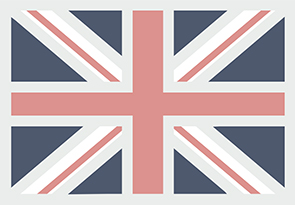
The reason that Brits in particular would wonder what you mean is because in the UK, the ‘Home Office’ is the government department for internal affairs – das Innenministerium.
Until the COVID-19 pandemic, we didn’t really have a word or expression for this situation. Terms like remote working or teleworking existed before the pandemic, but they weren’t used in everyday conversation. We might have talked about teleworking software, but we wouldn’t have said, ‘I’m teleworking today’.
[/et_pb_text][/et_pb_column][/et_pb_row][et_pb_row _builder_version=”4.27.4″ _module_preset=”default”][et_pb_column _builder_version=”4.27.4″ _module_preset=”default” type=”4_4″][et_pb_text _builder_version=”4.27.4″ _module_preset=”default” hover_enabled=”0″ sticky_enabled=”0″]
What do native English speakers say instead of ‘Home Office’?
[/et_pb_text][et_pb_text _builder_version=”4.27.4″ _module_preset=”default” hover_enabled=”0″ sticky_enabled=”0″]
During the years when many of us were working remotely, we started to use the term working from home, with the abbreviation ‘WFH’. Not to be confused with WTF.
While remote working is still used, there is a slight difference between it and the more common working from home. When you talk about working remotely, you could be based anywhere outside your company office, e.g., in a co-working space or a client’s office, or even as a digital nomad, with no fixed address, travelling and working from Airbnbs around the world.
[/et_pb_text][/et_pb_column][/et_pb_row][et_pb_row _builder_version=”4.27.4″ _module_preset=”default”][et_pb_column _builder_version=”4.27.4″ _module_preset=”default” type=”4_4″][et_pb_text _builder_version=”4.27.4″ _module_preset=”default” hover_enabled=”0″ sticky_enabled=”0″]
But if I use ‘Home Office’, people will still understand, right?
[/et_pb_text][et_pb_text _builder_version=”4.27.4″ _module_preset=”default” hover_enabled=”0″ sticky_enabled=”0″]
Sure, we get what you mean. Native English speakers do use the term ‘home office’, but usually to describe the actual room or space where they work. In German, das Heimbüro. We would probably guess from the context, such as you mentioning you aren’t in the office, but in the Home Office.
Where you should be careful, though, is if your business sells products or services aimed at people who work from home. Particularly if rely on Google SEO to reach your potential buyers online. If you optimise SEO for the term ‘Home Office’ rather than ‘working from home’, you might not show up in the search results or reach your target audience.
[/et_pb_text][et_pb_text _builder_version=”4.27.4″ _module_preset=”default” hover_enabled=”0″ sticky_enabled=”0″]
So is your English really English, or is it Denglish?
If you’d like to make sure your website or marketing materials sound natural and authentic to your international audience, get in touch.
As a native English copywriter and translator, I’ll help you turn great ideas into polished English – no Denglish included.
[/et_pb_text][/et_pb_column][/et_pb_row][et_pb_row _builder_version=”4.27.4″ _module_preset=”default”][et_pb_column _builder_version=”4.27.4″ _module_preset=”default” type=”4_4″][et_pb_button button_url=”https://outlook.office.com/book/EnglishTextServices@englishtextservices.de/?ismsaljsauthenabled” url_new_window=”on” button_text=”Book an initial consultation” _builder_version=”4.27.4″ _module_preset=”default” global_colors_info=”{}” theme_builder_area=”post_content”][/et_pb_button][/et_pb_column][/et_pb_row][/et_pb_section]