
‘Do you think we should take out the long dashes? I’ve read that they are a sign of Gen AI usage’.
It’s not the first time I’ve heard this from a client, so I thought I’d share some information to help you understand the em dash—often said to be a sign of AI usage—and why it doesn’t necessarily mean the writer used ChatGPT or other generative AI tools.
What are em dashes exactly?
First, let’s clear up some confusion about em dashes and en dashes, and what makes them different from hyphens. Here’s a quick summary:
Hyphens are used to link words and make other words or phrases, e.g., long-term or well-being. In recent years, there’s been a move away from hyphens and many words have lost their hyphen, so you might see wellbeing written as one word. This can be a bit confusing, as this agency noticed, when it comes to words like cyberattack and cyber resilience. I too have clients in the cybersecurity industry, and after some initial confusion, we settled on which words to hyphenate. In many cases, there isn’t a right or wrong, so just make sure you are consistent.
Em dashes are the drama queens of the Bindestrich friendship group. They can be used to insert more information, help the reader make sense of a long, complicated sentence, or indicate a change of direction or tone. Em dashes are generally used without spaces—like this—although some US style guides prefer to use spaces — like this. I’ve found that some German companies prefer to use them with spaces and again, either is fine as long as you choose one version and stick to it.
En dashes are the British English version of the em dash, not quite as showy as their American cousins, but used in the same way – with a space on either side. En dashes are also used for ranges in British and American English, for example, “from 1987–1992” or “the Dundee–London train“.
The en dash will be familiar to German speakers—it is the equivalent of the German Gedankenstrich, which is also set with a space on either side. The em dash, on the other hand, is not commonly used in German, which may explain why it stands out so much in English texts—especially when set without spaces.

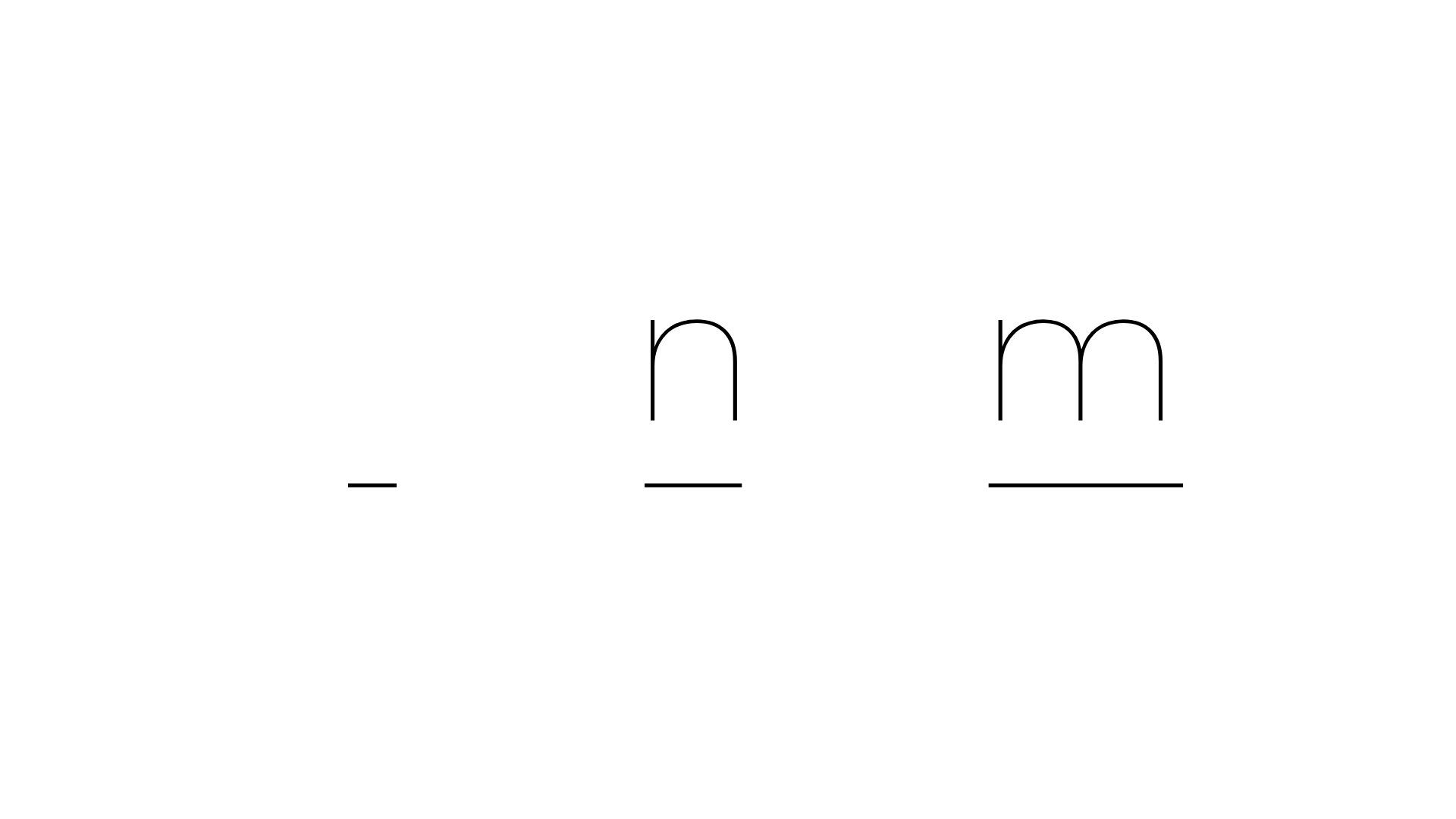
By the way, if you are wondering where the terms em dash and en dash came from, it’s quite simple. Back in the days of wood and metal set printing presses, the mark of the em dash was the width of a the letter ‘m’, and the en dash was the width of the letter ‘n’.
And what about brackets (parentheses)?
I recently edited a document that had a lot of parentheses (that’s these round brackets that are used to add additional detail to a sentence). I’m not a great fan of parentheses, as I find they disrupt the flow of the sentence—becoming a stumbling block rather than a helpful aside. When researching this article, I found this excellent blog post which beautifully explains the benefits of using an em dash rather than parentheses.

As Dr Winter explains in his blog post, the reason that you find a lot of em dashes in AI writing is because the machines are trained on human-generated text.
So, what's the deal with the em dash and AI?
If you google “AI em dash”, you’ll find a lot of irate writers, ready to defend their favorite punctuation to the death.
It’s ironic that clients are asking us to remove punctuation that has been around for centuries because the robots have copied the work of our best human writers—from Shakespeare to Jane Austen, Emily Dickinson to Henry James.
Until a year or two ago, only grammar nerds and graphic designers knew the difference between and en dash, em dash, and a hyphen. Most people just read over them without noticing them. Or realising there were different types, and punctuation styles. With the advent of AI, it became one of the ‘tells’, and then everyone noticed them.
Em dashes probably feel a bit strange for German native speakers, especially when used without spaces, but that doesn’t mean we shouldn’t use them.
Conclusion
The em dash isn’t a sign of AI generated content. It’s a punctuation mark with a storied history, character, and a long list of supporters, from Shakespeare to your favourite blogger. A well written text with a clear structure that helps or entertains the reader is more important than whether a short or a long dash was used.
My advice is to use the em dash if you like. And if you are unsure if a text was generated by AI, take a closer look at the content, not at the punctuation.
In my next post on punctuation, I’ll discuss the Germans’ favorite punctuation mark, and why it is best used sparingly in English! Can you guess what it is?